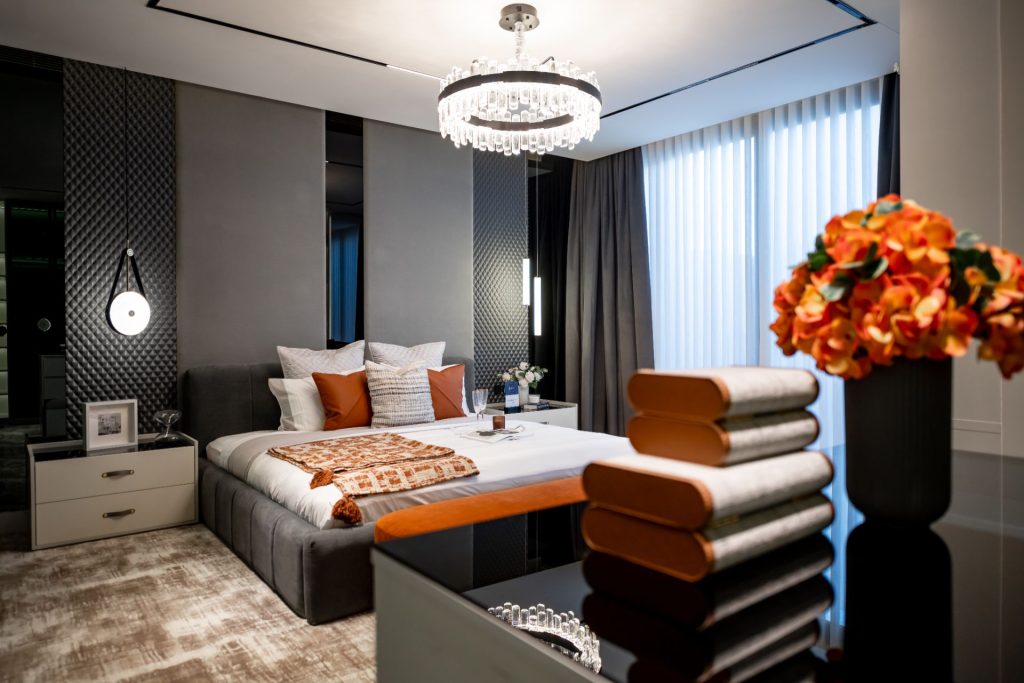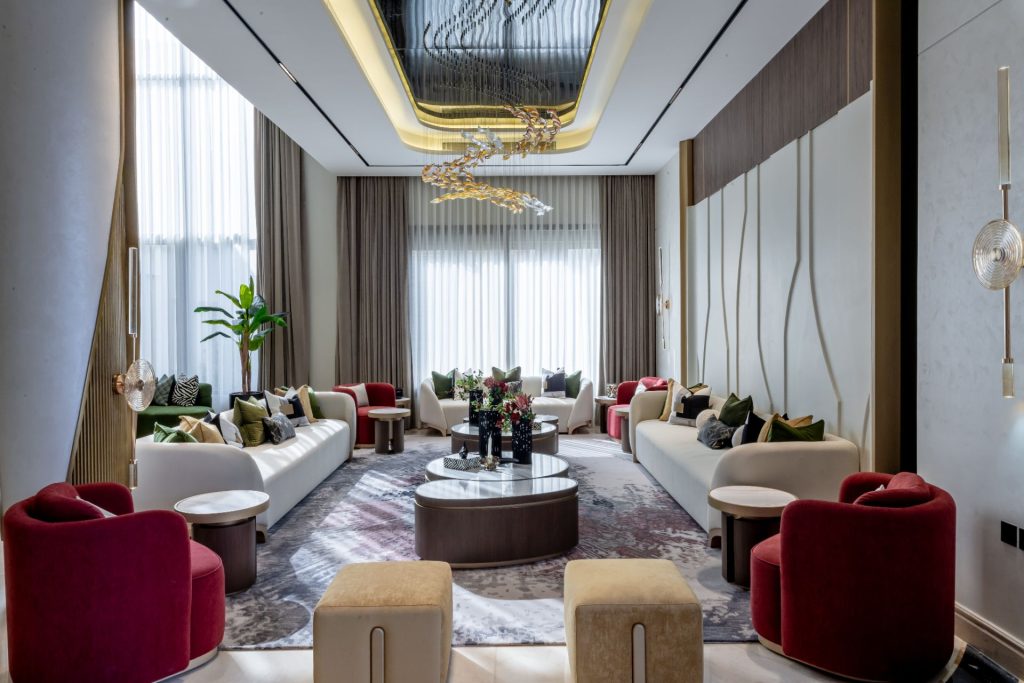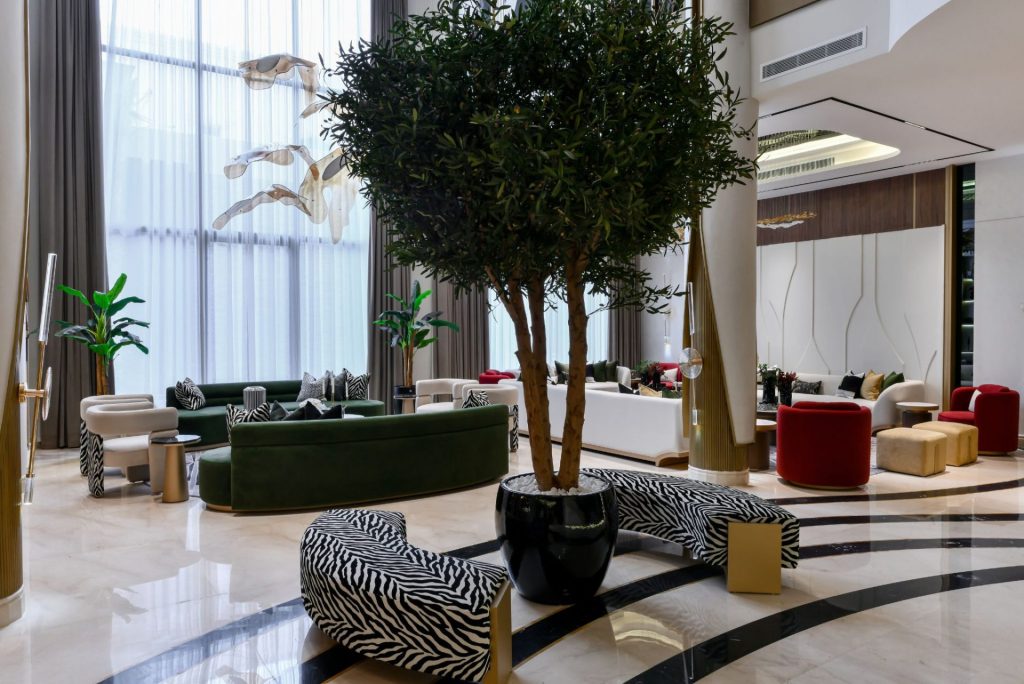
An interior fit out is the act of transforming a raw space into a usable environment. Whether it is a shop, café, or office. The service includes 3D designs and planning, flooring, woodwork, and legal permits. Also, leads to a final inspection.
It all sounds pretty easy until a permit gets stuck or a contractor gives you a “lowball” quote only to start tacking on extra fees halfway through. This guide explains what the fit-out process in Riyadh is really like, covering the costs, the timeline, and exactly what you need to double-check before signing any paperwork.
What an Interior fit-out in Riyadh Actually Covers?
The term fit-out gets used loosely. Some contractors mean design drawings. Others mean a fully finished space ready for staff to walk in. Basically, it involves complete interior design planning. Before signing anything, it is worth being clear on what category a project falls into because the scope difference is enormous.
A shell-and-core fit-out hands over a raw space: bare concrete floors, unfinished ceilings, and basic MEP connections brought to the edge of the unit. Category A takes it one level further raised floors, suspended ceilings, lighting grids, basic mechanical and electrical in place. Similarly, category B is the full occupier fit-out: partitions, flooring, joinery, branding elements, furniture, and everything needed to actually open for business.
Category B Interior Fit-out
Most retail and restaurant clients in Riyadh need Category B. That is where most of the budget goes. Commercial fit-out in KSA also varies significantly by space type. A standalone office in Al Olaya and a mall unit in Riyadh Park are both fit-outs, but the processes, timelines, and regulatory requirements differ significantly. Mall fit-outs require an additional layer of approval from the mall authority, in addition to standard municipal permits.
The 6 Stages of a Commercial fit-out in KSA
Every commercial fit-out in KSA moves through roughly the same six stages. Understanding them and knowing where delays typically happen is the difference between a smooth project and a painful one.
Stage | What Happens | Who Is Responsible | Common Delay Causes |
1. Design | The designer maps out the space, creates 3D visuals, and finalizes materials. | Interior design firm | The client keeps changing the brief or takes too long to approve drawings. |
2. Approvals | Submission of permits to the municipality, the mall authority, and the civil defence | Contractor + client | Wrong documents submitted, or the space does not meet local building codes |
3. MEP Works | Electricians, plumbers, and HVAC teams do the behind-the-wall rough-in work | MEP subcontractor | Poor coordination between trades, or the site is not ready for them to start |
4. Finishing | Floors go down, ceilings go up, walls get clad, joinery gets installed | Fit-out contractor | Materials arrive late, or MEP work left things that need fixing first |
5. FF&E | Furniture, light fixtures, and equipment are brought in and installed | Design firm/supplier | Custom pieces take longer than expected, and imported items get held at customs |
6. Handover | The team walks through the space, fixes snags, and gets client sign-off | Project manager | Small unfinished items drag on, or systems have not been properly tested |
The approval stage is where most projects in Riyadh lose time. Municipality permits, civil defence fire safety clearance, and mall NOCs all run on separate tracks, with separate documents and separate timelines. A fit-out company in Riyadh that handles all three simultaneously from day one saves weeks compared to one that sequences them one after another.
What a Shop Fit-out in Riyadh Really Costs?
Fit-out pricing in Riyadh spans a wide range, and most early quotes are too vague to be useful. The number that matters is per square metre broken down by space type and finish level. The interior design cost in Riyadh covers a range of aspects. So, proper research before finalizing the finances is vital. It will help you save time and money.
Mall units at Riyadh Park and Al Nakheel Mall sit at the higher end of the range. Mall authorities set minimum specification standards that push material and finish costs up tenants cannot use cheaper alternatives even if they want to. A shop fit-out in Riyadh’s premium malls means meeting those standards before a single design preference is even considered.
Restaurant fit-outs typically carry the highest per-sqm cost. Commercial kitchens require specialist MEP works heavy-duty ventilation, grease traps, high-capacity gas lines that add high cost before a single tile goes on the wall. Budget realistically for these elements from the very start.
Saudi Building Codes Every fit-out Client Should Know
Fit out projects in Riyadh operate under a specific set of Saudi building codes and civil defence regulations. Ignoring them or leaving compliance to chance creates real problems at the inspection stage.
Civil Defence approval is mandatory for any commercial space in Saudi Arabia. Fire exits must meet defined width and distance requirements. Sprinkler systems, smoke detectors, and emergency lighting are vital in virtually all commercial fit outs. Material specifications matter too certain cladding and ceiling materials are prohibited in specific occupancy types.
For mall fit-outs specifically, the mall authority adds its own technical standards on top of municipal requirements. Riyadh Park and Al Nakheel Mall both have design manuals running to dozens of pages covering everything from signage proportions and shopfront glazing specifications to permitted hours for noisy works. Reading the mall’s fit-out guide before starting design is not optional. Discovering a conflict late in the process can lead to costly redesigns.
The fit-out Mistake Most Riyadh Businesses Make
Here is something most clients do not expect to hear: choosing the cheapest fit-out company in Riyadh almost always ends up costing more than a mid-range or premium firm would have charged in the first place.
Low quotes typically leave out three things: approvals management, contingency for site conditions, and the cost of coordination between subcontractors. When those gaps surface mid-project, the original contractor either charges extras to fill them or the client has to bring in a second firm to fix the problems. Both outcomes are expensive. Both are common.
The cheapest quote is rarely the cheapest project. That gap between the two is where businesses lose money.
A better approach is to evaluate fit-out companies in Riyadh on three things: a detailed breakdown of what the quote actually includes, evidence of completed projects of a similar type and scale, and a clear explanation of how permits and approvals will be handled. A firm that answers all three confidently and specifically is far more likely to deliver on budget and on time.
What a Well-Managed Riyadh fit-out Looks Like in Practice
Before signing the lease, the fit-out company was brought in to review the mall’s technical guide and flag any design constraints. The base design was adjusted before any drawings were finalised saving two rounds of redesign that typically happen after mall authority rejection.
Submitted Permit applications in parallel across three tracks: municipality, civil defense, and mall NOC. The design team used pre-approved material specifications wherever possible to reduce review time. The fit-out finished in eleven weeks from lease signing to opening. For a mall restaurant, that is a genuinely fast timeline.
The client did not get there by spending more money. Better planning and a fit-out contractor in Riyadh who knew the process produced the result.
Choosing the Right Fit-Out Company in Riyadh
A fit-out company in Riyadh is not just a contractor it is the firm that manages permits, coordinates subcontractors, interprets building codes, and keeps a project on track across six distinct stages. The design might be what clients see at the end, but project management determines whether it gets delivered at all.
Before making a decision, ask each firm for a consultation to walk through how they handle approvals, their process for managing mall authority requirements, and where past projects ran into problems. A firm worth working with will answer those questions directly. One that deflects or gives vague answers is telling the client something important. One of the best options is the Art Deco Design. So, contact us now to learn more about our interior fit-out services.
FAQs
Q1. How long does a commercial fit-out take in KSA?
For most commercial spaces, six to sixteen weeks is a realistic range. Smaller offices on the shorter end, larger or more complex spaces on the longer end. Mall fit-outs at places like Riyadh Park or Al Nakheel Mall usually take more time because the mall authority runs its own approval process on top of the standard permits and both require working hours restrictions on site.
Q2. Do fit-out contractors in Riyadh handle municipal approvals?
Good ones do, yes. Most experienced fit-out companies in Riyadh include permits, fire safety approvals, and mall NOCs as part of their project scope. The important thing is to get that confirmed in writing before signing anything. Approval delays cause more project overruns in KSA than any other single issue so knowing who owns that process from day one matters a lot.
Q3. What is the difference between a shell and core fit-out and a Category B fit-out?
Shell and core means the space is handed over raw. The bare floors, unfinished ceilings, and basic services were brought to the unit boundary. Category B is the full fit-out that turns it into a finished, working space. Anyone opening a shop or restaurant in Riyadh needs Category B.